Loading...
Serving Rapid City, SD and surrounding areas. (605) 646-9616
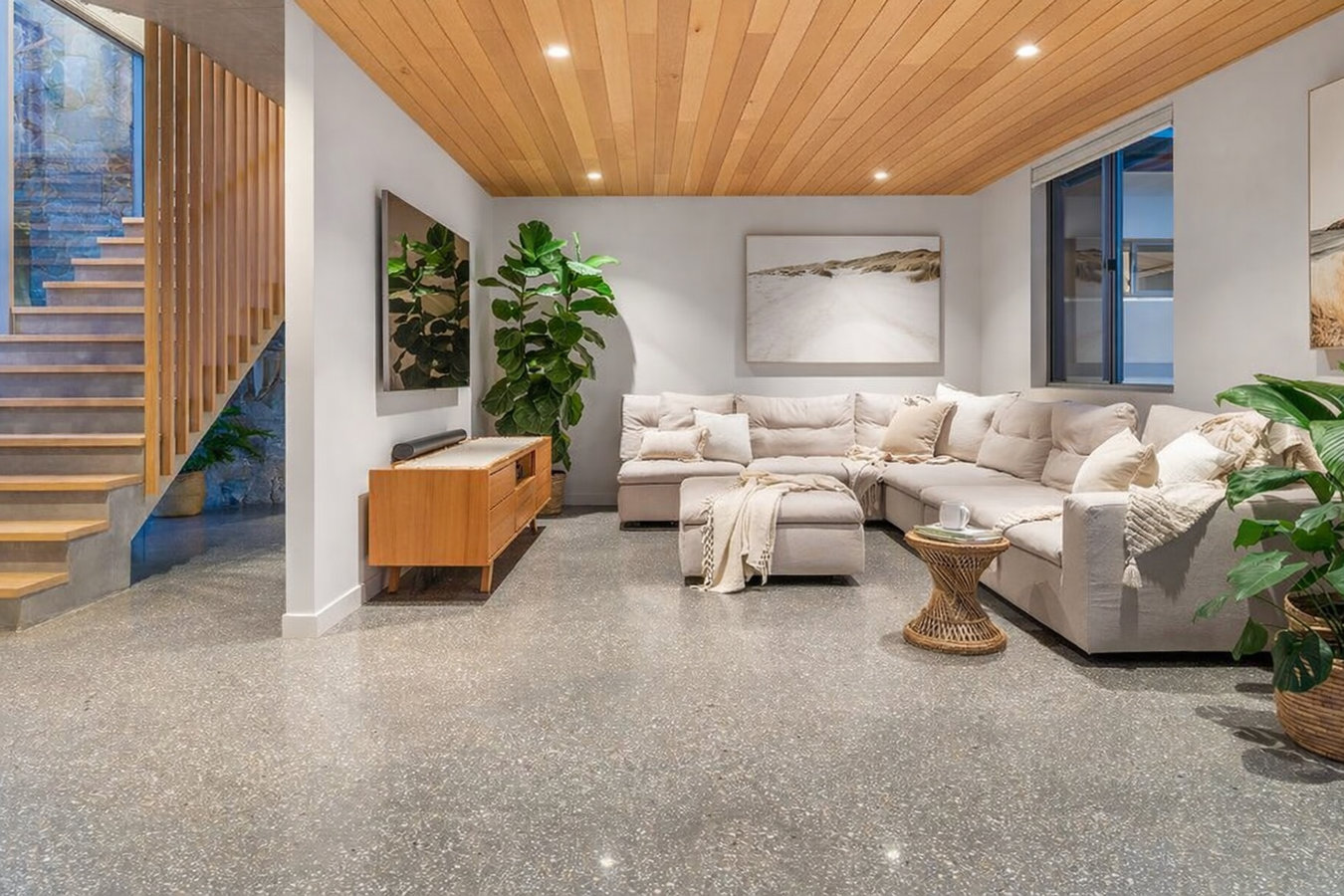
New concrete floors for garages, basements, and utility spaces - poured to the right thickness and mix for Rapid City soil and winters.
Concrete floor installation in Rapid City starts with preparing the ground beneath the slab - removing old material, grading, and laying a compacted gravel base - then pouring and finishing to your chosen texture. Most residential jobs take one to three days of active work depending on the size of the area. Whether you are replacing a cracked garage floor that has been patched too many times, pouring a new basement slab in a home that never had one, or starting from scratch on a detached workshop, the process is the same: proper base preparation first, then the pour.
A concrete floor is only as good as what is under it. This matters more in Rapid City than in many other places because a significant portion of the area sits on clay-heavy soils that swell when wet and shrink when dry - movement that pushes up against slabs from below and causes cracking over time. Getting the subbase right and installing a moisture barrier before the pour is what separates a floor that stays flat for 20 years from one that starts showing problems after its first few winters. If your project involves leveling a slope or addressing drainage as part of the preparation, we can coordinate that alongside concrete pool decks or other exterior concrete work you may be planning.
If you have filled cracks in your concrete floor more than once and they keep reopening - especially after winter - the slab itself is failing, not just the surface. In Rapid City's climate, repeated freeze-thaw cycles work into small cracks and widen them season after season. Patching buys time, but replacement is usually the more cost-effective answer once cracks become widespread.
If you can feel dips, humps, or areas where the floor clearly tilts, the slab has shifted or settled unevenly. This is common in older Rapid City homes where soil beneath the slab has expanded and contracted over decades. Uneven floors are a tripping hazard and cause problems for anything stored or installed on top of them.
A white chalky film on your floor - called efflorescence - means water is moving up through the slab and depositing minerals. A musty smell or visible moisture after rain or snowmelt is another warning. These issues often mean the original slab was poured without a proper moisture barrier, which was common in homes built before the 1980s.
If the top layer of your concrete is chipping away in flakes or developing rough, pitted patches, the surface has begun to break down. In Rapid City, this is often accelerated by road salt tracked in from winter driveways or by freeze-thaw damage working into the surface. Once spalling covers a significant area, resurfacing or full replacement is usually more practical than spot repair.
The most common projects we handle are garage floor replacements and basement floor pours. Garage floors typically go in at four to five inches thick with a broom finish that provides grip - this is the right choice for anyone replacing a cracked or spalling slab that has outlived its useful life. Basement floor replacements are a different challenge because they often involve older homes where the original slab was poured without a vapor barrier and moisture has been working its way up through the concrete for decades. We assess the moisture situation before the pour and install a proper barrier as part of the job.
For homeowners converting a garage or basement into a workshop, home gym, or finished living space, the floor is where the project starts. We pour slabs flat enough for flooring installation on top and thick enough to carry equipment loads without cracking. We also handle utility and mechanical room floors where the finish priority is a surface that is easy to clean and resistant to chemical exposure. For projects that involve both a new slab and a finished garage floor concrete upgrade, we can scope both as part of one visit.
Poured at four to five inches thick with a broom finish for grip. Ideal for homeowners replacing a cracked, spalling garage floor or adding a slab to a new garage structure.
New slabs over a compacted gravel base and vapor barrier. Best suited for older Rapid City homes where the original basement floor was poured without modern moisture protection.
Thicker slabs - five to six inches - with smooth trowel finish for spaces that carry heavy equipment or see regular floor cleaning. Includes reinforcement as needed for load capacity.
Level, flat slabs as the base for a home gym, laundry room, or finished basement conversion - poured flat enough for flooring installation on top.
Rapid City sits at roughly 3,200 feet of elevation and experiences some of the most dramatic temperature swings in the country. Winters drop well below freezing for months, then spring arrives quickly - and that repeated cycle is exactly what causes concrete slabs to crack when they were not built to handle it. A large portion of the city's housing stock was built between the 1950s and 1970s, which means many homes in neighborhoods like West Boulevard, Canyon Lake, and North Rapid have original slabs that were poured without modern moisture barriers or reinforcement. Those floors are reaching the end of their useful life. In Sturgis, SD and Spearfish, SD, we see the same pattern in homes of similar age - floors that were simply not built to last under Black Hills weather conditions.
Pierre Shale and other clay-heavy soils underlie much of the Rapid City area, and their movement is a real factor in floor longevity. Clay soils absorb water and swell in spring, then dry and contract through summer - and that push-pull effect on a slab from below is one of the primary causes of cracking in older floors here. The Portland Cement Association recommends proper subbase compaction and adequate slab thickness as the primary defenses against soil-driven cracking - which is exactly why we assess site conditions before every pour here.
We ask about the size of the area, what the space is used for, and whether existing concrete needs to come out. We schedule a site visit to look at the space in person before giving you a firm price. Expect a response within one business day.
We check the condition of any existing concrete, look at the soil or subbase beneath, and assess access for equipment. In Rapid City, we also discuss your project timing relative to the season so the pour happens in the right conditions - not rushed into a cold snap.
Old concrete comes out if needed, the ground is graded and compacted, and a gravel base is laid. We also install a vapor barrier before the pour - the step that protects your floor from the ground moisture that damages many older Rapid City slabs.
The crew places and finishes the concrete to the texture you chose. Once it has cured enough for inspection, we walk through the finished floor with you - pointing out control joints, explaining what to watch for in your first Rapid City winter, and confirming any permit inspections are complete.
We respond within 1 business day. Written estimates before any work starts. No commitment required to get a quote.
(605) 646-9616We pour every floor with the mix and thickness suited to this climate. Floors that crack after the first hard freeze are almost always underprepared - the wrong thickness, the wrong base, or no curing compound. We do not cut those corners.
Many Rapid City homes have basement and garage floors that were originally poured without a moisture barrier - which is why those floors show efflorescence, staining, and surface damage. A vapor barrier is standard on our pours where moisture from the ground is a factor.
We pour floors across Rapid City and 11 surrounding areas - from older neighborhoods like West Boulevard and Canyon Lake with their mid-century slabs, to new construction on the north and east ends of town. We have seen what the local soil does to floors that were not properly prepared.
We handle the permit application with the City of Rapid City before work starts - so your project is on record, inspected, and documented. You never have to wonder if the work was done to code or worry about permit issues when you sell your home.
You can verify contractor licensing in South Dakota through the South Dakota Contractors Board before hiring anyone for a concrete project. We carry full liability insurance and workers' compensation - ask for documentation before any work begins, regardless of which contractor you choose.
Durable outdoor concrete surfaces around pools designed to handle UV exposure and Rapid City's temperature swings.
Learn moreFocused garage floor pours and resurfacing for homeowners looking to upgrade or replace a damaged slab in their attached or detached garage.
Learn moreRapid City's pour season fills up fast - reach out now to get on the schedule before the weather window closes.