Loading...
Serving Rapid City, SD and surrounding areas. (605) 646-9616
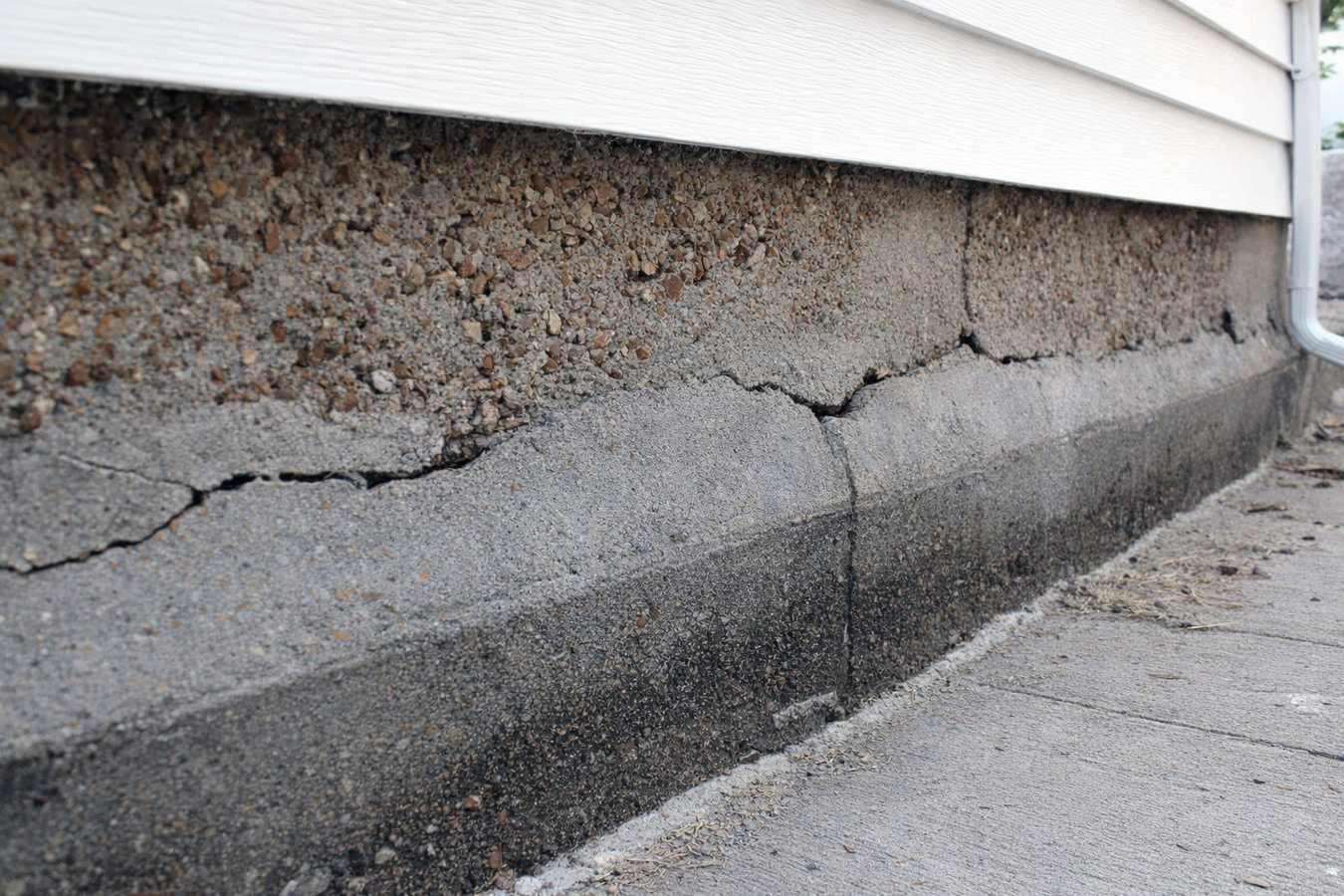
Your slab has settled - and Rapid City winters will keep making it worse. We lift it back to level with far less cost and disruption than tearing it out and starting over.
Foundation raising in Rapid City lifts a sunken or settled concrete slab back to its original level position by pumping material through small drilled holes to fill voids underneath - most residential jobs are completed in a single day, with no full demolition required.
Slabs settle here more often than in most parts of the country. Rapid City sits at roughly 3,200 feet of elevation and experiences freeze-thaw cycles that work the soil out from under concrete year after year. Much of the city also sits on or near Pierre shale, a clay-heavy formation that swells when wet and shrinks when dry - exactly the kind of ground movement that causes settled driveways, patios, and garage floors.
If your slab is structurally sound but has shifted over time, raising is almost always less disruptive and less expensive than replacement. For situations where the slab is too far gone to lift, we also handle foundation installation when a full new pour is the more honest answer.
Stand at one end of your driveway, patio, or garage floor and look across the surface. If it clearly slopes where it used to be flat, or if water pools where it never did before, the slab has likely settled. This is the most obvious sign that the ground underneath has shifted.
If the tilt or cracking seems a little worse each year after winter, that is a strong signal that Rapid City's freeze-thaw cycle is actively working the soil out from under your slab. This pattern tends to get worse over time and does not correct itself without intervention.
Walk around the edge of your driveway, porch, or patio where it meets the house, garage wall, or steps. A gap that was not there before - or one that has grown wider - means the slab has moved down while the structure stayed put. Even a small gap can let water in and make the settling worse.
When a slab connected to your home settles, it can shift the structure above it and cause door or window frames to go slightly out of square. If a door that used to swing freely now drags or sticks, and you have also noticed the nearby slab looking uneven, the two problems may be connected.
We perform slab lifting on residential driveways, patios, sidewalks, garage floors, and porch slabs throughout Rapid City and the Black Hills region. The process involves drilling small access holes through the slab, pumping material underneath to fill the voids and raise the concrete, and then patching the holes before we leave. We assess each job to determine whether traditional mudjacking or foam-based lifting is the better fit for your specific slab and soil conditions.
Raising is often paired with addressing the drainage or soil issue that caused the settling in the first place. If your slab keeps dropping every year, the underlying cause needs to be part of the conversation. For situations where the concrete itself is too deteriorated to lift, our concrete cutting service handles clean removal of damaged sections before a fresh pour.
Best for larger slabs where cost is the primary concern and a 24-48 hour wait before use is acceptable.
Suits homeowners who need the slab back in service quickly - foam cures in about 15 minutes and the slab is walkable the same day.
For settled driveway sections or concrete aprons at the garage entrance that have pulled away from the structure.
Ideal for outdoor living surfaces that have tilted away from the house or developed a gap at the entry threshold.
Rapid City's combination of elevation, soil type, and climate makes slab settling one of the most common concrete problems homeowners here face. The ground freezes to several feet of depth each winter and thaws in spring - that repeated cycle pushes and pulls the soil under your slab season after season. Many established neighborhoods in Rapid City also sit on Pierre shale and expansive clay soil, which moves dramatically with moisture changes. If a slab was poured on fill soil that was not properly compacted - common in homes built during the postwar building boom - settling can start within just a few years of construction.
Spring snowmelt off the Black Hills sends water through yards and under slabs in a short window each year. Homes without adequate grading send that water directly toward their foundations. We serve homeowners across the Rapid City metro and regularly work in nearby communities including Sturgis and Box Elder, where the same soils and climate conditions apply.
Reach out by phone or through the contact form and describe what you are seeing - the type of slab, roughly how much it has sunk, and any cracking you have noticed. We reply within 1 business day and schedule a time to come out at no charge.
We walk the area with you, measure how much the slab has settled, and check the surrounding drainage and soil conditions. You receive a written estimate and a straight answer about whether raising is the right solution or replacement makes more sense.
If your project requires a permit through the City of Rapid City Building Services Division, we handle the application. Permits typically add a few days to a week before work begins. Once cleared, you get a confirmed work date.
The crew drills small holes through the slab and pumps material underneath to fill voids and raise the concrete back into position. All drilled holes are patched before the crew leaves. We walk through the finished work with you before we go.
We come out, assess the settling, and give you a written estimate with no obligation. Free, no-pressure, and you will hear back within 1 business day.
(605) 646-9616We have worked on slabs throughout Rapid City and the surrounding Black Hills region since 2023. We know the Pierre shale soil conditions, the seasonal limits on this type of work, and how to approach settling that has been building for years.
We carry a valid South Dakota contractor license and full liability and workers compensation coverage on every job. You can verify our license through the South Dakota Department of Labor and Regulation before signing anything.
Every estimate is free, written, and covers exactly what will be done and why. You will not receive a verbal number over the phone. If you decide not to move forward after the assessment, there is no obligation and no charge.
When a permit is required - especially for foundation work connected to the home - we pull it before any lifting begins. Permitted work gets inspected and documented, which protects you at resale and gives you recourse if something ever comes into question.
The Concrete Foundations Association sets the standards for professional foundation work in the industry. We follow those standards on every lifting job we take in Rapid City and the surrounding area.
When damaged sections need to be removed cleanly before repairs or new pours, precise diamond-blade cutting is the first step.
Learn moreWhen raising is not the right answer and a new foundation is needed from the ground up, we handle full poured foundation work.
Learn moreFoundation raising schedules fill up quickly once the ground thaws in Rapid City. Reach out now to get your project on the calendar before the spring rush.