Loading...
Serving Rapid City, SD and surrounding areas. (605) 646-9616
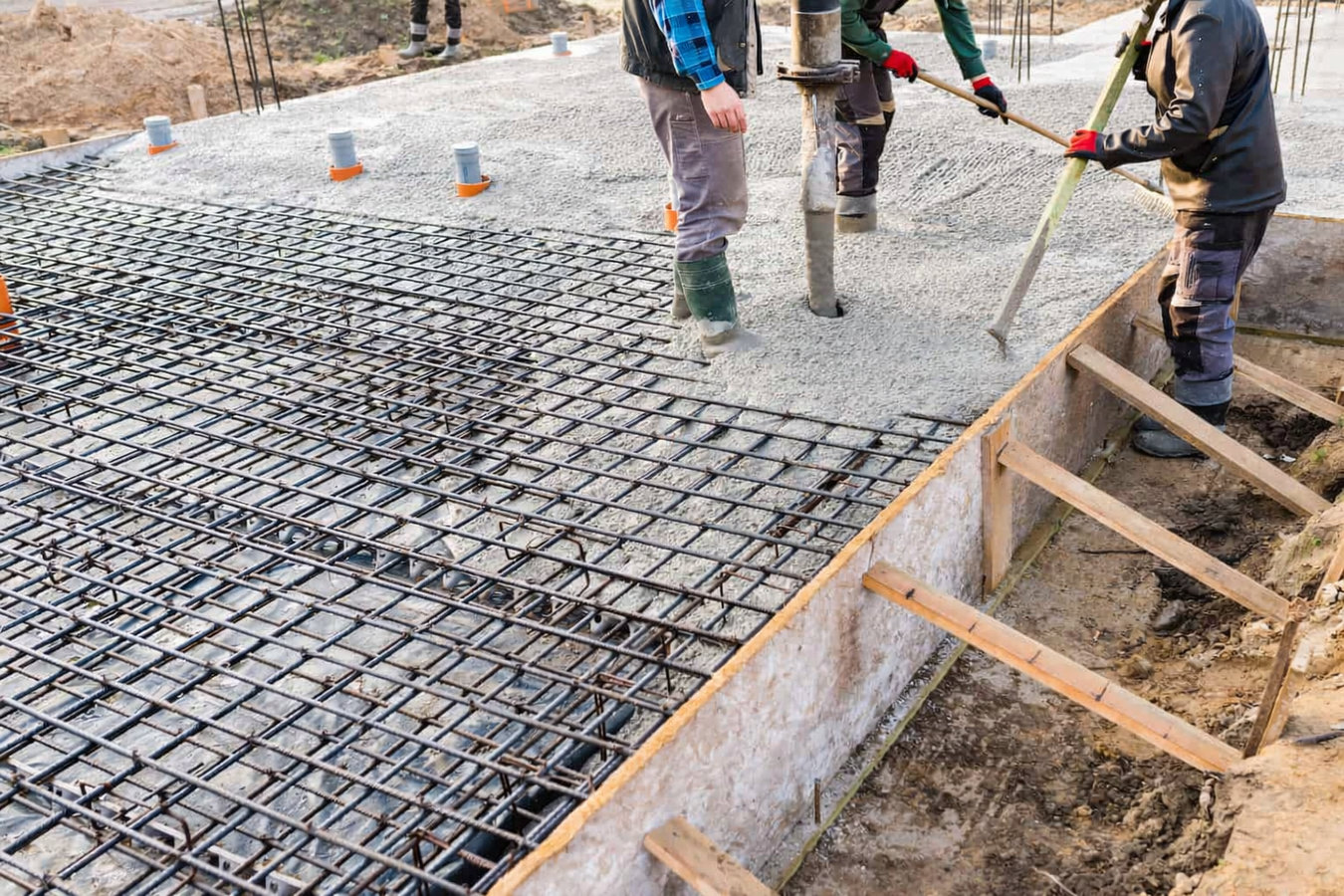
Your foundation carries everything above it through every Black Hills winter. We install foundations in Rapid City with footings, waterproofing, and drainage designed for this climate and your specific lot.
Foundation installation in Rapid City means excavating below the local frost line, forming and pouring poured concrete walls with footings deep enough to resist seasonal heave, applying exterior waterproofing, and installing perimeter drainage before backfilling - most residential projects take three to five weeks from permit application to a backfilled, inspection-passed foundation ready for framing.
Most homes in the Black Hills region are built on either a poured concrete basement or a concrete crawl space wall system. A poured concrete foundation is formed and filled in one continuous pour, which makes it stronger and more water-resistant than older block-style foundations. Your specific lot conditions in Rapid City - soil type, slope, proximity to the Black Hills foothills - affect both the design and the cost of the project more than most homeowners expect.
If you are building on a flat lot and prefer no below-grade space, our slab foundation building service covers concrete slab-on-grade work for homes, garages, and additions where a basement is not needed.
The clearest sign you need foundation installation is that you have land and a house plan but no structure yet. Foundation installation is the first major construction step, and framing, plumbing, and electrical all depend on getting it right. If you are in the planning stage for a new build in Rapid City, this is the service you need before any other trade can begin.
Horizontal cracks running across a basement wall, or walls that appear to lean inward, mean outside soil pressure is winning. In Rapid City, clay-heavy soils in many neighborhoods expand and contract with moisture changes, pushing against older foundations over time. This is a structural concern, not a cosmetic one, and it needs professional evaluation before the problem worsens.
When a foundation shifts, the house frame shifts with it. If doors that used to close easily now stick, or if diagonal cracks appear at window corners, the foundation below may be moving. In older Rapid City neighborhoods where homes were built before modern soil engineering was standard, this kind of settling is more common in spring after a hard frost season.
Rapid City gets significant snowfall, and spring snowmelt can push large amounts of water against foundation walls. If you see water seeping through walls or pooling on the basement floor after wet weather, the original waterproofing may have failed. A contractor can assess whether the issue is a drainage problem, a crack, or a more fundamental foundation concern before water damage compounds.
We handle full foundation installations for new residential construction across Rapid City and the Black Hills region. That includes site excavation, footing forming and pouring, city footing inspection, foundation wall forming and pouring, form removal, exterior waterproofing, drainage tile installation at the footing base, and backfilling with proper grading to direct water away from your home. Every project includes a building permit and all required city inspections - the footing inspection before the pour and the final inspection before backfill.
For homeowners who need to level or lift an existing foundation, our foundation raising service addresses settled or uneven foundations without a full replacement. For commercial and larger residential projects, our concrete parking lot building service applies the same base preparation and reinforcement standards to flat concrete work at scale.
For new home builds where the homeowner wants finished or unfinished below-grade living space, storage, or storm shelter.
For homes where full basement excavation is not needed but a raised floor system requires a concrete perimeter wall.
For homeowners adding a room, attached garage, or large addition that needs its own poured concrete foundation to match the existing structure.
For homes where the existing foundation has failed structurally and a full replacement is the right solution rather than ongoing repairs.
Rapid City sits in a climate zone where the ground freezes to 42 to 48 inches in a hard winter - deeper than most of the continental United States. That means more excavation, more concrete, and more cost than you would pay in a milder state. It also means shortcuts on footing depth are not safe shortcuts: a foundation with footings above the frost line will heave with every freeze-thaw cycle until the structure above it shows the damage. Homes on the west side of Rapid City, closer to the Black Hills foothills, often encounter rock just below the surface, which can add blasting or specialized cutting equipment to the excavation phase. Homes in lower-lying neighborhoods east of the hills frequently sit on Pierre Shale clay that requires extra attention to drainage and exterior waterproofing.
Spring in Rapid City also means weeks of snowmelt pressing against foundation walls - sometimes after late-season blizzards that are not unusual here even in April and May. A foundation that is waterproofed and drained before the soil goes back in will handle those conditions quietly for decades. One that is not will let you know about it the first wet spring. We work throughout the Rapid City area and serve nearby communities including Lead and Deadwood, where hillside lots and older housing stock create similar foundation challenges.
We respond to calls and form submissions within 1 business day. Most contractors schedule a site visit before giving a firm number - lot conditions in Rapid City vary enough that a phone quote is rarely accurate. Expect the estimate visit to take 30 to 60 minutes.
Before any digging starts, we apply for a building permit through the City of Rapid City - this typically takes one to three weeks. The permit ensures a city inspector will be present at key stages, which protects you and gives us a clear checklist to follow.
Once permitted, we dig below the frost line, form and pour the footings for a city inspection, then form and pour the foundation walls. On hillside lots near the Black Hills foothills, we may encounter rock, which can add a day or two to excavation.
Before soil goes back in, we apply exterior waterproofing and install a drainage system at the footing base - steps that protect your basement through every Rapid City spring snowmelt. After backfill is graded away from the house, we walk you through the finished foundation and confirm the final city inspection.
We visit your lot, assess your soil and slope, and give you a written estimate with every line item included. We respond within 1 business day and there is no obligation to proceed.
(605) 646-9616Every foundation we install has footings that reach below the 42-to-48-inch frost line required in this climate zone. That depth means no freeze-thaw cycle will heave or crack your structure - built for actual Rapid City winters, not national averages.
We have worked on lots across the Rapid City area where clay-rich Pierre Shale sits just below the surface. We know which neighborhoods require extra drainage measures and thicker exterior waterproofing, and we account for that before the first shovel goes in.
We have been working in Rapid City and the surrounding Black Hills area since 2023. We know the Building Services permit office, the seasonal construction window, and the soil conditions that vary from block to block in this city.
We apply exterior waterproofing and install perimeter drainage at the footing on every foundation we build. Contractors who skip these steps to save time are the reason so many Rapid City homeowners deal with wet basements - we make sure you never have that conversation with us.
You can verify any South Dakota contractor before signing anything through the South Dakota Contractors Licensing program. The National Association of Home Builders publishes guidance on foundation types, waterproofing standards, and what homeowners should ask contractors before signing a foundation contract - worth reading before you compare bids.
Large-scale concrete flatwork for commercial lots and multi-unit residential properties with the same base standards used on residential foundations.
Learn moreLifting and leveling settled or uneven foundations for existing homes without the cost of a full replacement.
Learn moreSummer pour dates and permit slots fill up early - contact us now to lock in your timeline before the construction season closes out.